
SaaS & AI product launch
Launch with AI agents. Own how it's built.
I prepare the launch with you, product and tech together: who pays and for what, the specs agents build from, and the frame that reviews their work. Your team, a vendor or I build from it, and it stays yours.
- Product and tech, one plan
- Specs agents build from
- Your code, your accounts
- No vendor lock-in

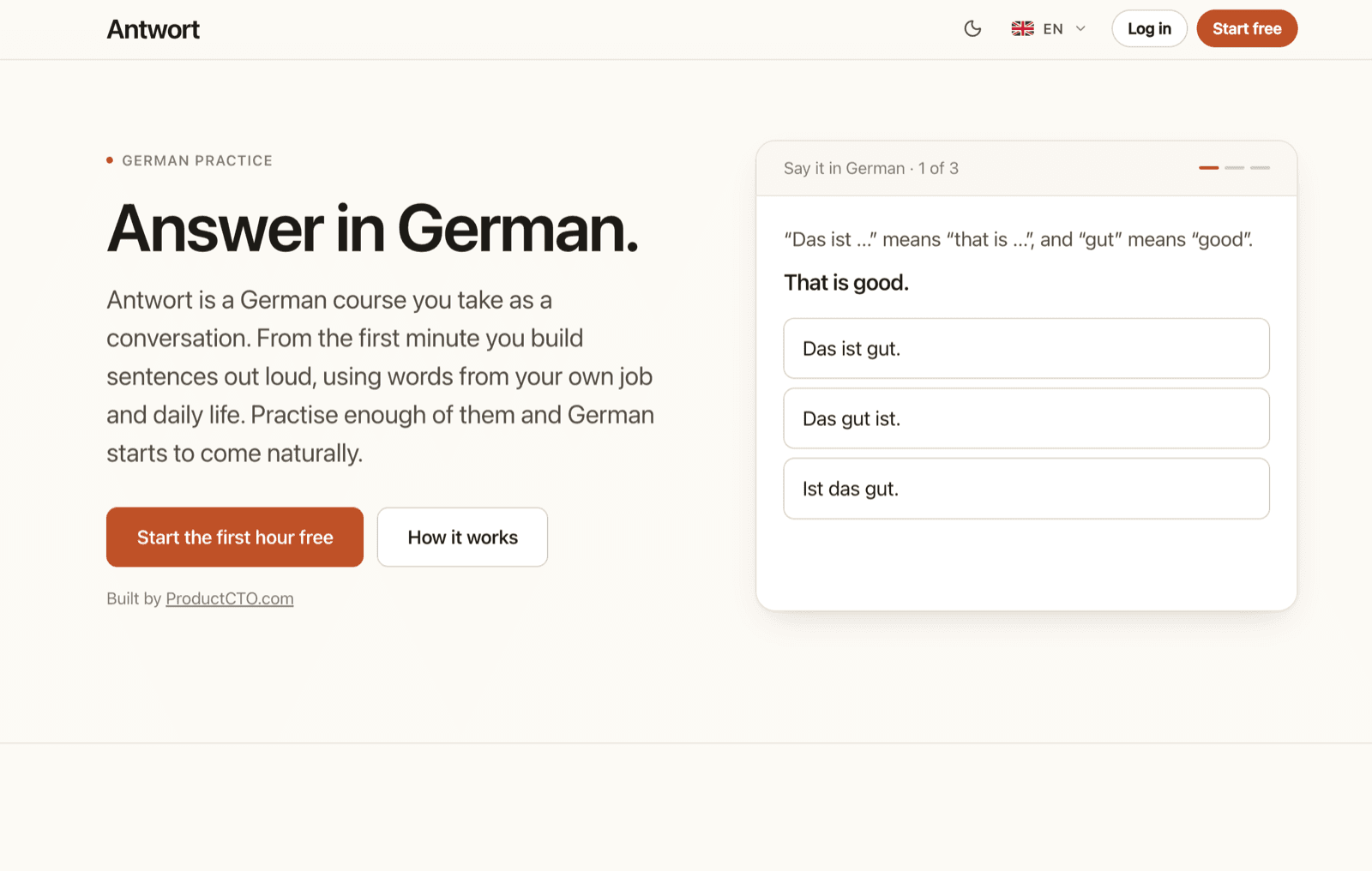
Antwort
Grammar drills rarely get people speaking. Antwort is a German course taken as a conversation, so learners build sentences out loud from the first minute.
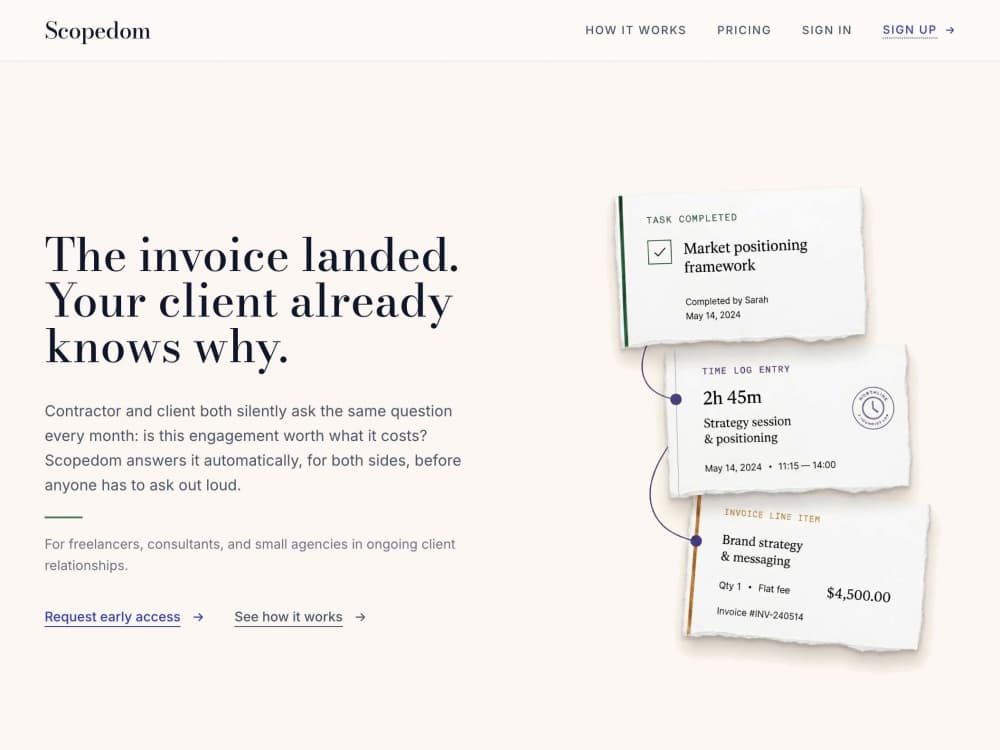
Scopedom
Contractors and clients both wonder if an engagement is worth what it costs. Scopedom reads the work across their tools, so the invoice explains itself when it lands.
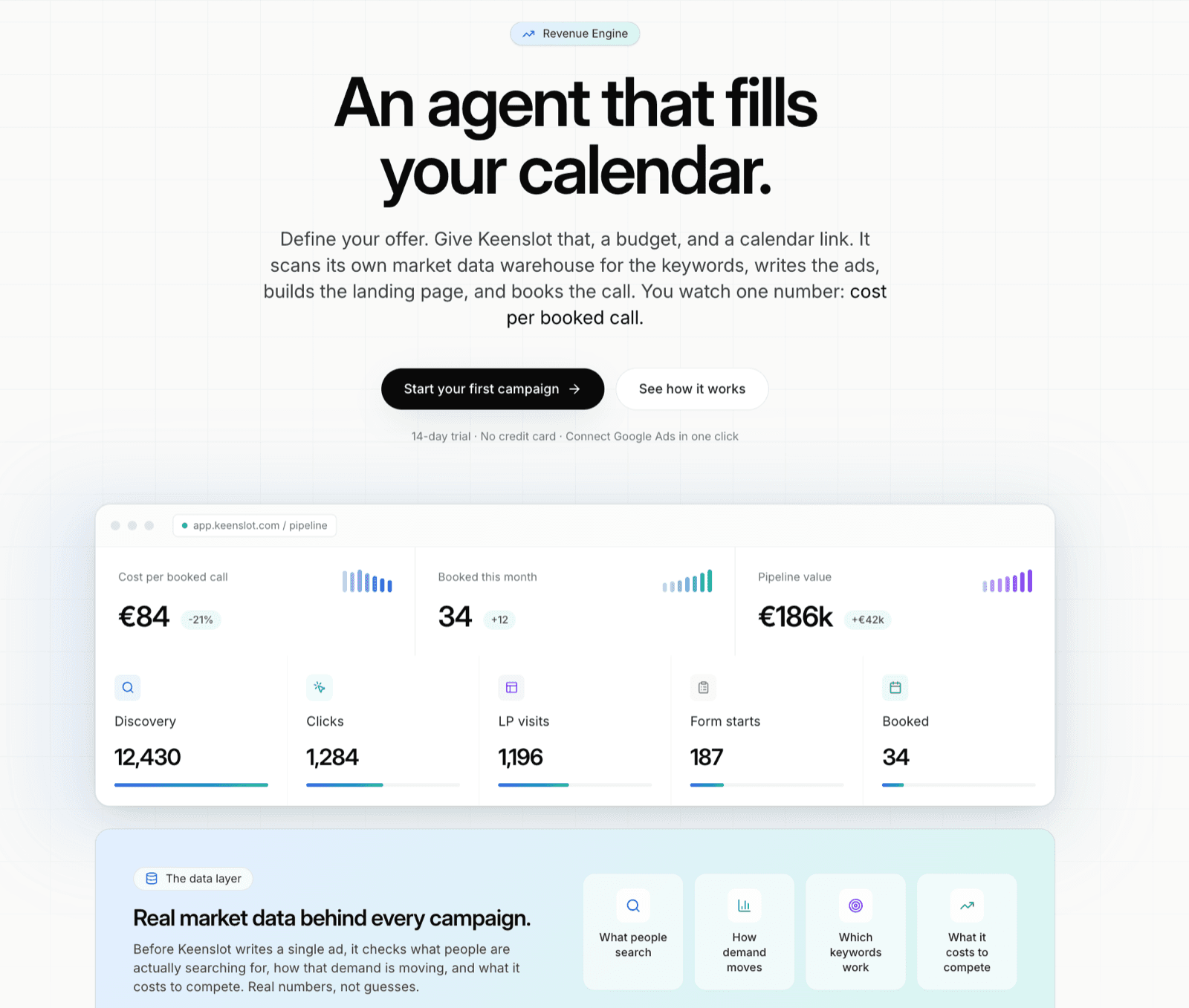
Keenslot
Ad spend rarely turns into booked calls on its own. Keenslot's agent picks the keywords, writes the ads and builds the landing page, and you watch one number: cost per booked call.
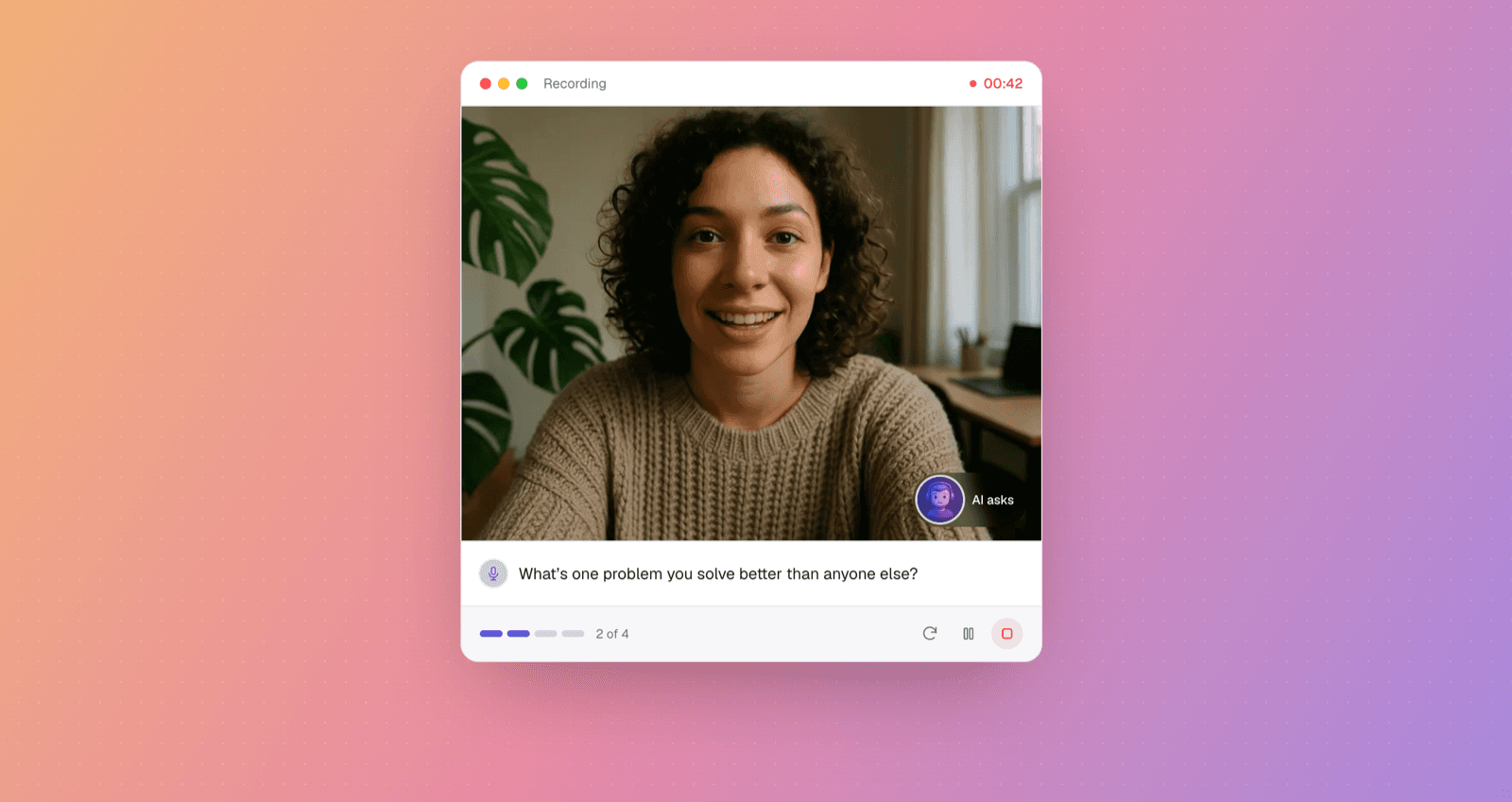
Ownercast
A good video about your work is hard to record alone. Ownercast's AI interviewer asks the questions and turns your answers into a short video in your own voice.
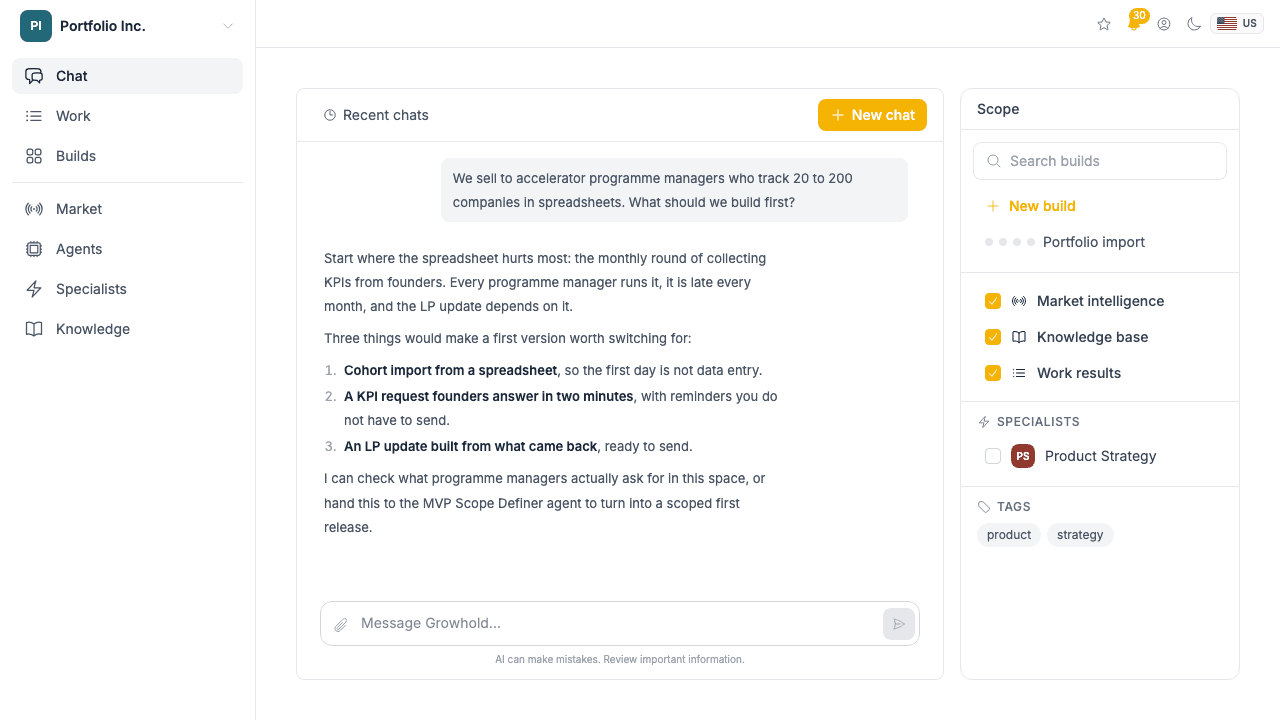
Growhold
Product teams often build from assumptions. Growhold's AI agents read market demand, so the next build follows real buying signals.
Built with
The challenge
Launched by a vendor. Then locked in.
When a vendor builds the first version, the specs, the agent instructions and the decisions stay with the vendor. Every next feature goes back to them and costs as much as the first. A launch with AI agents needs the product and technical decisions prepared together, written down and handed to you, so your team, a vendor or both can keep building.
Full delivery
Full product delivery. Strategy, build, launch and the frame to continue.
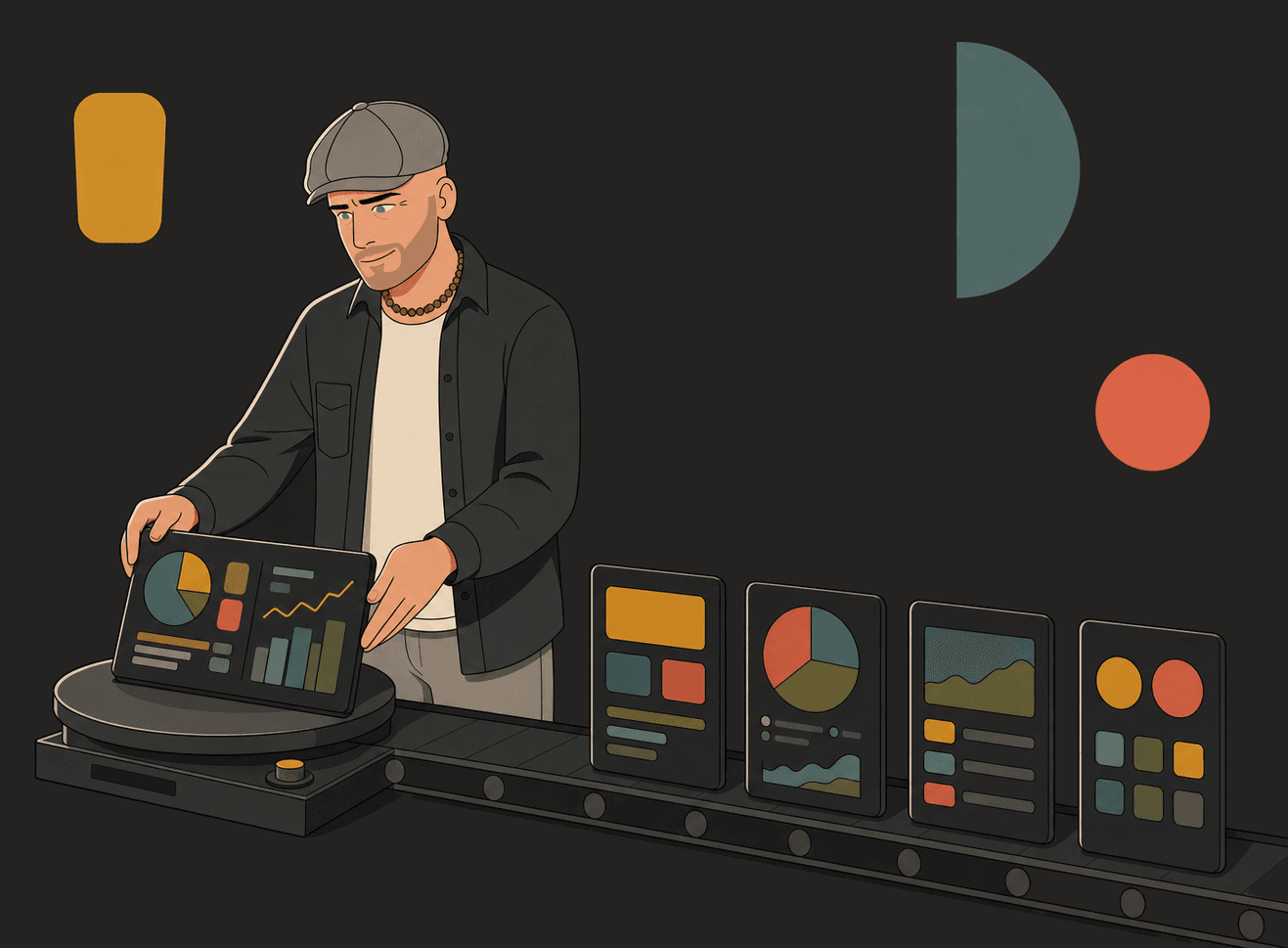
Product decisions, architecture, design and the working app, delivered together. Product and technical leadership sets the direction, and AI agents with Claude Code do the build.
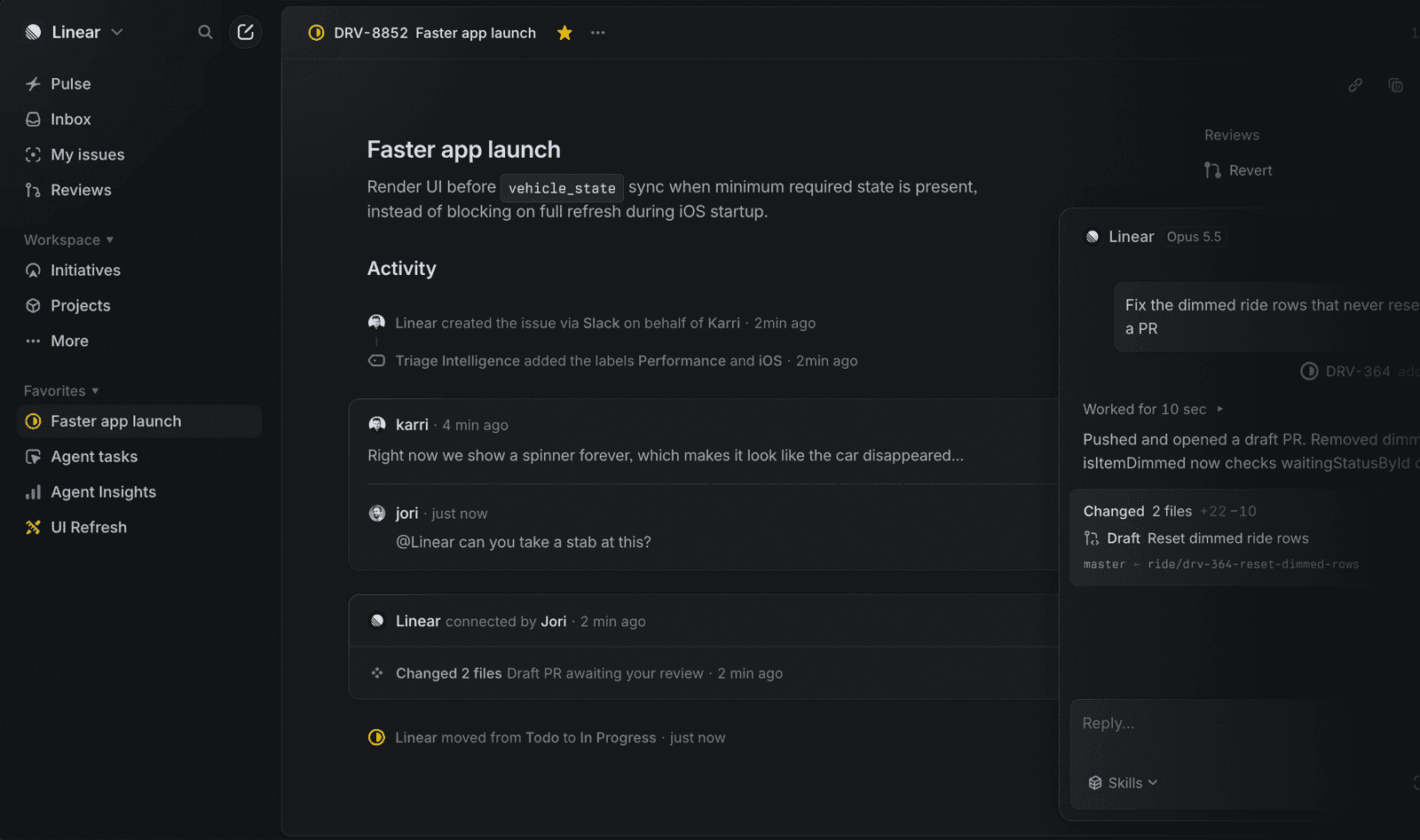
The frame that builds the product is part of the delivery. Linear holds the specs, agents implement from them, and every change is reviewed before release. After launch your team works the same way, with the same tools.
Every delivery starts with the product website, so the product has a home from day one.
What full delivery includes
Scope review
I read your requirements or your Growhold plan, confirm the tier fits, and return a written scope with the user flow and feature list within two days.
Mockups
Clickable screens of the core flow for your approval before the full architecture is built.
Build
Architecture, database, features and integrations, built by agents from Linear issues, with a preview URL you can follow throughout.
Launch
Deployed on your domain under your own Vercel, Supabase, Stripe and PostHog accounts.
Handover
Repository access, the deployment pipeline, Linear with the backlog and the configured agents, and written Claude Code instructions, so your team keeps building the same way.
The product
Built from your users’ needs. Measured from day one.
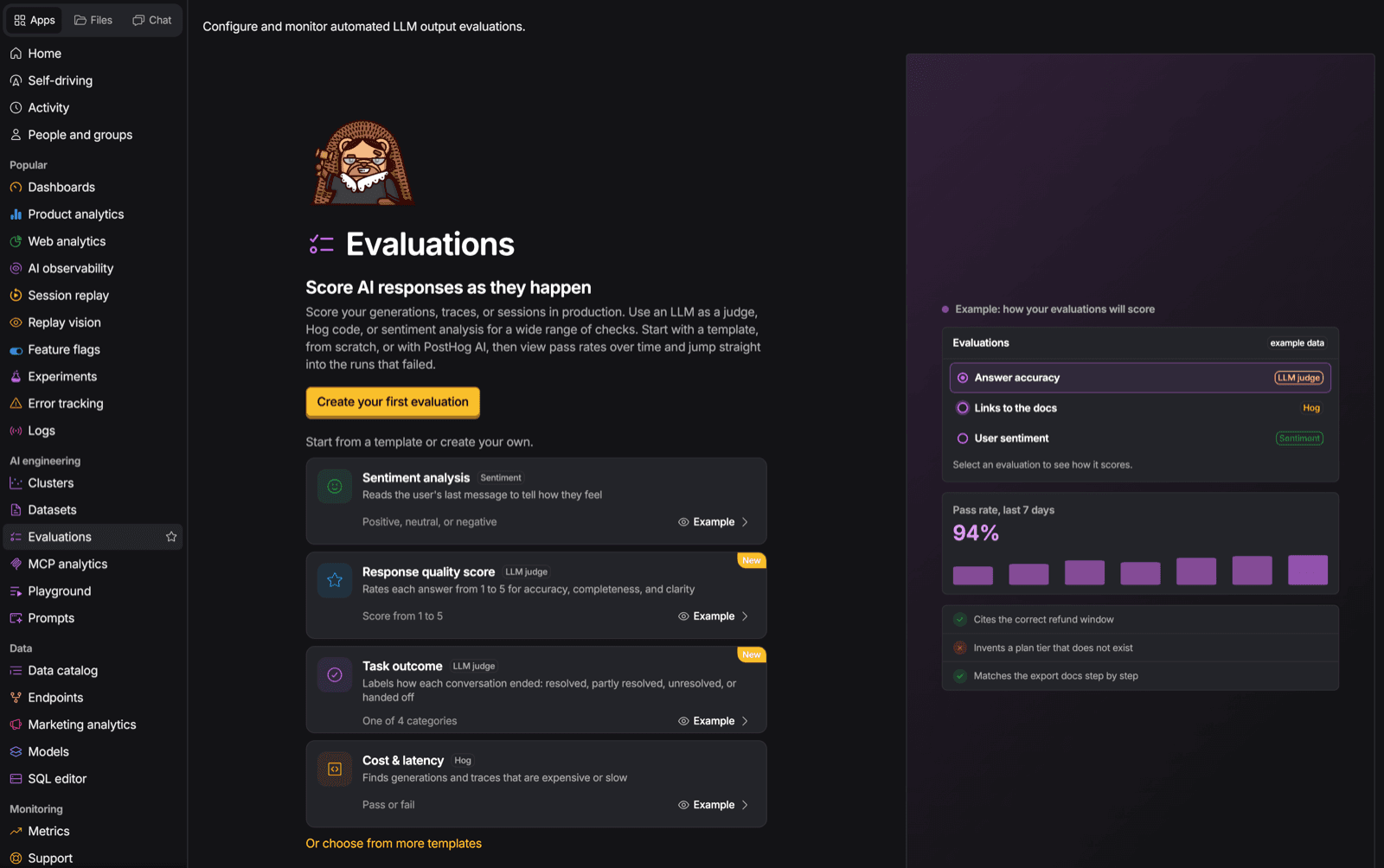
Product decisions come from business judgment. What users need becomes a Linear issue with acceptance criteria, agents build from it, and the numbers show what to build next.
RequirementsLinear
User problems turned into specs and tests, written so an agent can implement them.
Product analyticsPostHog
What users do and what to build next.
AI evalsClaude, OpenAI
AI answers scored for accuracy and cost.
ReleasesGitHub
Every change reviewed before users see it.
The stack
Your code, your accounts. Continue building with AI agents.
Everything runs in your accounts from the first commit. The agents, their instructions and the Linear workflow are handed over configured, so after launch your team keeps shipping on the same code, the same way.
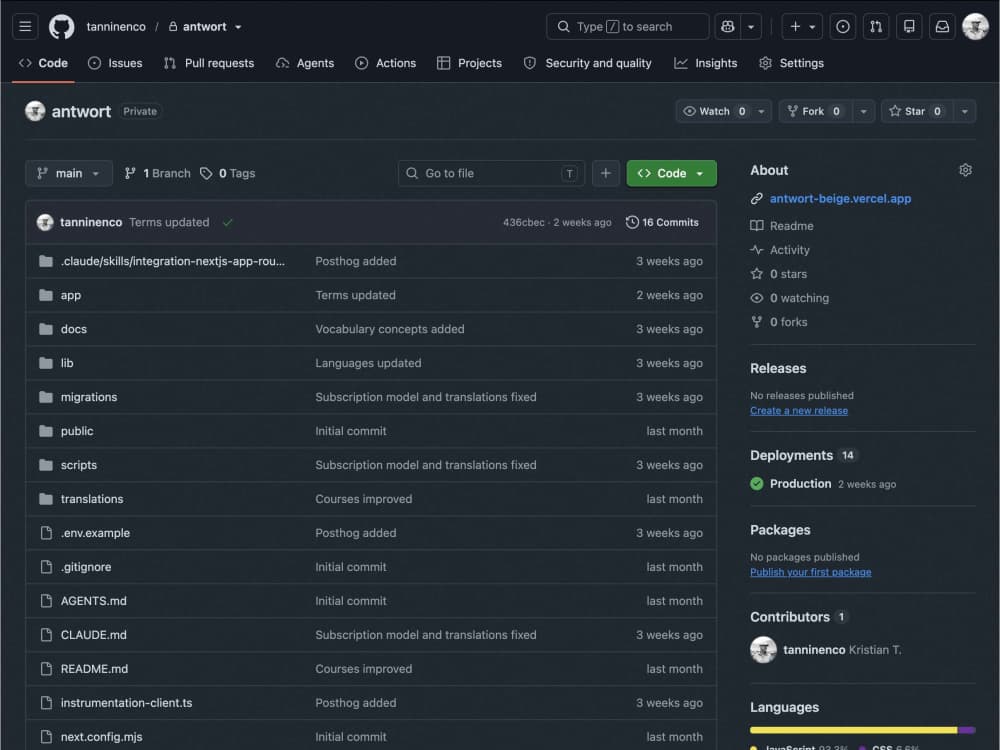
GitHubCode
Code in your repository, reviewed and versioned.
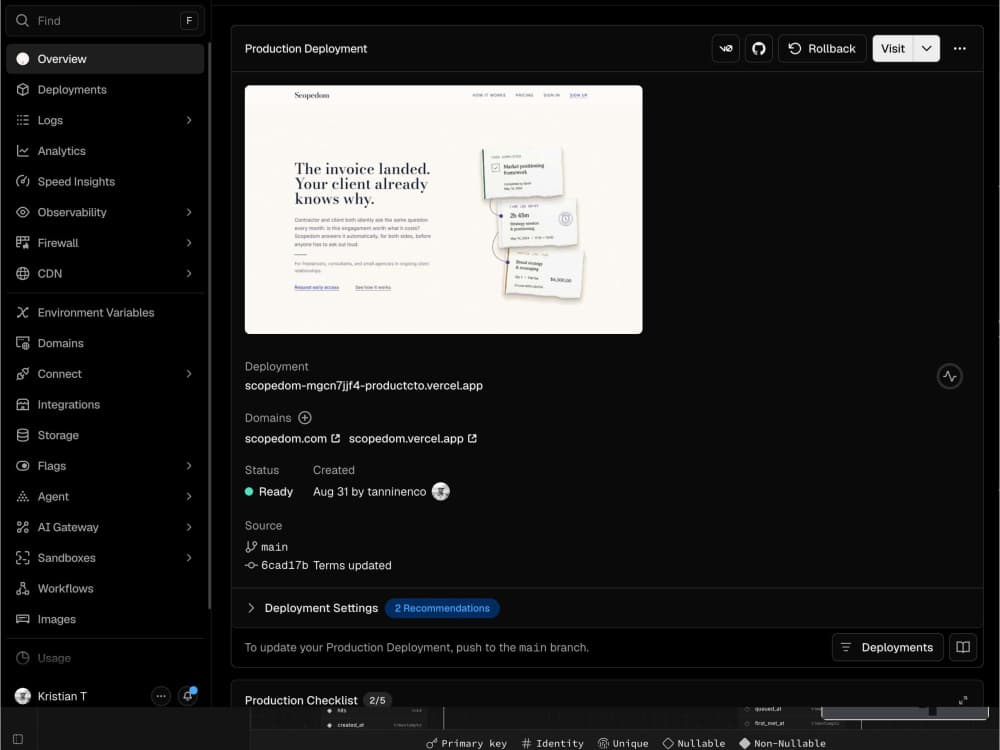
VercelFrontend
Hosting, preview links and deploys.
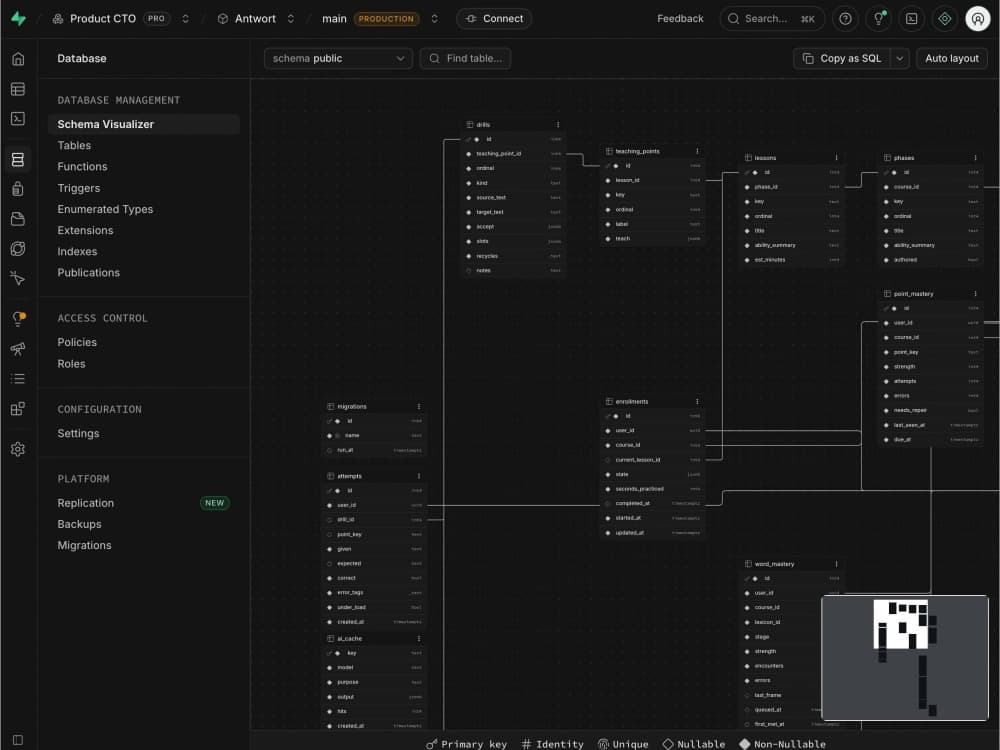
SupabaseBackend
Database, auth, storage and security.
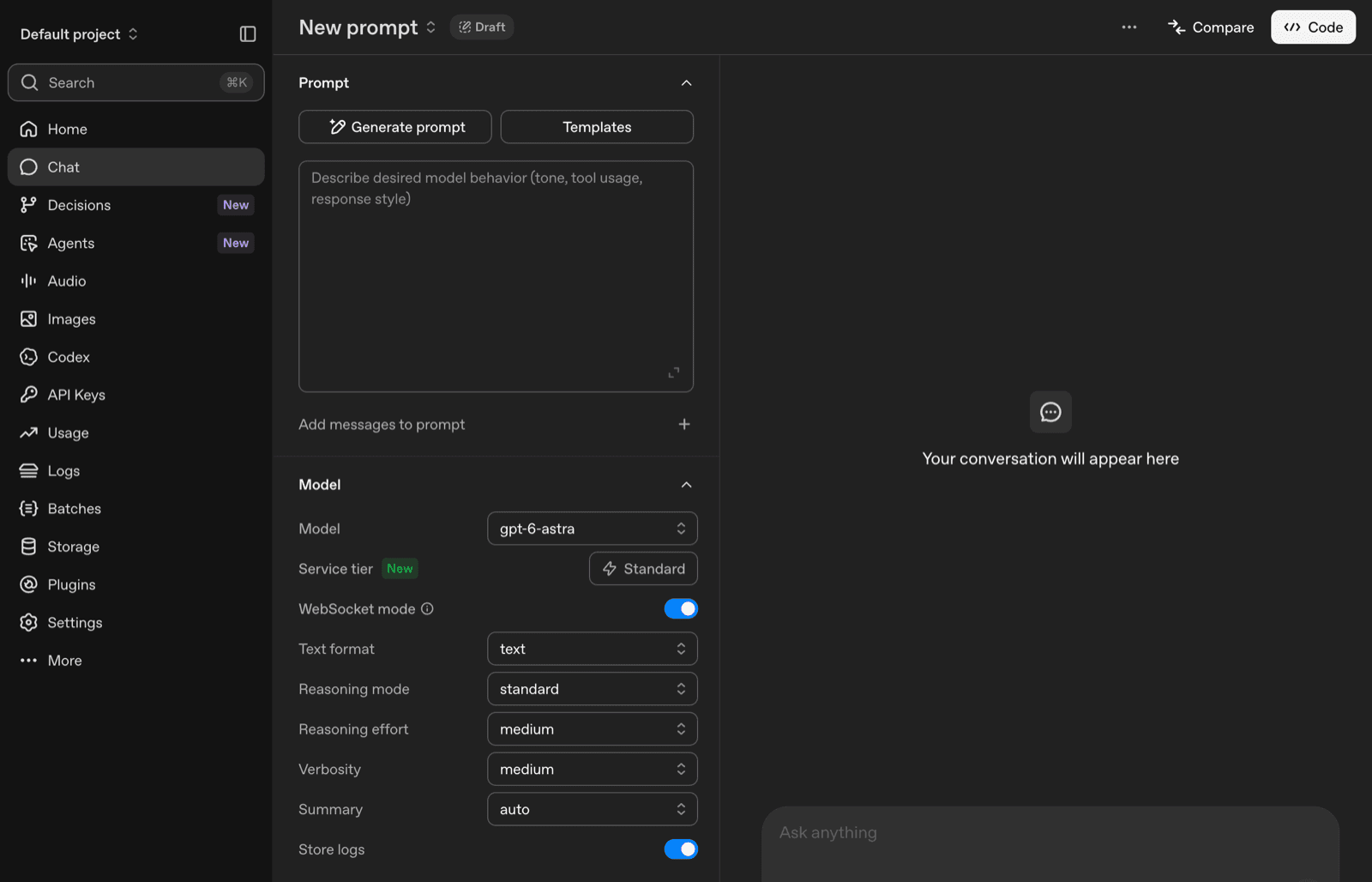
Claude and OpenAIAI layer
AI features inside the product, with cost limits.
Linear and Claude CodeAgentic frame
Specs in Linear, agents that implement them, review before merge. Handed over configured.
Plans
Fixed price, fixed date. Agreed before the build starts.
Pick the plan that fits your first version. The price and the date are agreed before the build starts.
Working beta
$1,450
7 days
Product website and your core flow with secure auth, live for your first users.
Optional maintenance $95 / month
Book a callLaunchable MVP
Recommended$2,950
14 days
Payments, admin panel, brand kit and API integrations, ready for paying users.
Optional maintenance $195 / month
Book a callScale-ready product
$4,950
21 days
Larger scope, team accounts and analytics, built to grow past launch.
Book a callBeyond launch
Let's talk
Milestones
Larger scope delivered in milestones, and ongoing product development after launch with your team and the agents.
Talk it through- Product website
- Your GitHub, Vercel and Supabase accounts
- Linear and agents configured for your team
- Every change reviewed before release
- Code and brand handed over
Who you work with

Fractional CTO and product lead, Vienna
I lead the product decisions and the technology together, from the first user interview to the launch. Agents, your developers or a vendor build within one written frame, and that frame stays with your team.
“Kristian is certainly one of the top picks in his field.”
Product decisions come from business judgment. The build follows them.
- 25 years
- In software architecture and product, in Europe and North America.
- 50+
- Product launches across startups and enterprises.
- 5.0★★★★★
- Upwork rating, Top Rated Plus, more than $500K earned.
How it starts
Bring these to the first call.
Your answers shape the first version and the plan.
Planned it in Growhold? Your project there already answers them.
- 1
Describe your product in a few sentences: the problem it solves, who pays for it, and what the user does in it from start to finish.
- 2
Which features are required for the first version? List them in priority order. Everything else goes to a later stage, so keep the list to what must ship.
- 3
Where does the product need to integrate? Details come in kickoff.
- 4
Name the competitors or benchmark products you look up to, and say what you like in each: the features, the style, or both.
- 5
Attach anything that already exists: sketches, designs, brand assets, a spec, or a link to a current app or prototype. Mention your domain if you have one registered.
Roles and outcomes
One lead for product and tech. Your team and vendors build with it.
I lead the launch as product lead and fractional CTO; the build sits with your team, a vendor or me. After it, keep me on in a role, or take the next outcome.
SaaS & AI product launch
This page · Agentic frame included
A SaaS or AI MVP launched for paying customers, at a fixed price, in weeks.
Enterprise AI agents
Every decision has an owner
Multi-agent workflows across your business, with human review where it matters.
AI agent evaluation
Right problem, solved right
AI agents that solve the right problem, proven with evals end to end.
Fractional CTO
Technical direction you can trust
Technical direction, architecture calls and your development team, owned part-time.
Product Lead
What to build, and why
What gets built and in which order, turned into specs your team can ship.
AI Architect
AI that holds in production
AI features and agents that hold in production, with evals and permissions.
Industries
See it in your industry. Every field has its own rules.
Each page shows what a launch needs in that industry: the integrations, the rules and the first customers.
- Software and SaaS companies
- Digital and marketing agencies
- Healthcare and HealthTech
- FinTech, financial services and M&A
- Real estate and PropTech
- Education and EdTech
- B2B e-commerce and wholesale
- Media and digital content
- Insurance and InsurTech
- Life sciences and regulated software
- Restaurants and hospitality
- Mobility, travel and aviation
- Government and public sector
Questions
FAQ
How much does a SaaS or AI MVP cost?
A fixed price agreed before the build starts: $1,450 (€1,350) for a working beta in 7 days, $2,950 (€2,700) for a launchable MVP in 14 days, and $4,950 (€4,550) for a scale-ready product in 21 days. Prices exclude VAT. Larger scope is delivered in milestones.
Who owns the code and the brand?
You do. Everything is built in your accounts and handed over.
Can you work from my existing designs?
Yes. The design part then becomes a review of what you have.
What is the stack?
A Supabase (PostgreSQL) backend with row-level security, user roles and permissions, Stripe payments, an admin dashboard, email notifications and API integrations. The frontend runs on React and Next.js on Vercel. AI features run on Claude or OpenAI.
Do you build mobile apps?
Yes. A mobile app ships as a progressive web app or is packaged with Capacitor. Responsive design is part of all product work.
What is the agentic frame?
Linear holds the specs and acceptance criteria, Claude Code agents implement and test from them, and every pull request is reviewed before merge. It is configured in your accounts during the build and handed over with written instructions, so your team runs it after launch.
What happens after launch?
Your team keeps building on the same code with the agents and the Linear workflow set up during the build. Optional maintenance keeps the product updated and monitored at the monthly price shown on the Working beta and Launchable MVP plans, cancel any time. Monthly product development with me is quoted after the MVP.
Can I plan the product in Growhold first?
Yes. Growhold works out who the product is for, what they will pay for and the MVP scope. Order the build from your Growhold project and the plan replaces the five questions: the scope review starts from it.
Get in touch
Start with a call.
We go through your product and pick the plan that fits the first version. Your team gets the launched product and the frame to keep building it.
Services: SaaS & AI product launchEnterprise AI agentsAI agent evaluationFractional CTOProduct LeadAI Architect